
Overview of Bridging Visas
A Bridging Visa is a temporary visa that allows you to remain in Australia legally while your substantive visa application is being processed or while you are making arrangements to leave Australia. They act as a “bridge” between one visa and the next.
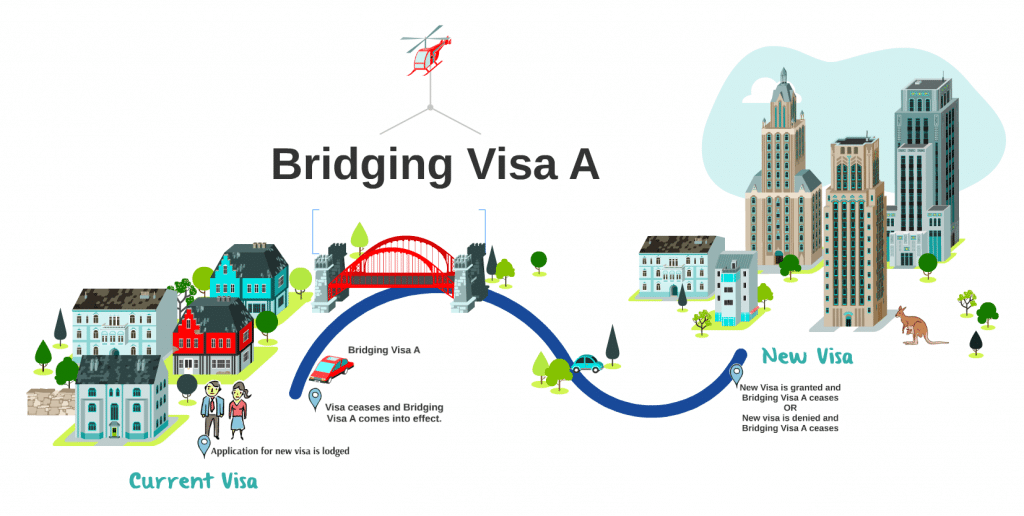
Bridging Visa A (Subclass 010)
The Bridging Visa A (BVA) is generally granted automatically when you lodge a valid application for a substantive visa while you are still holding a valid substantive visa. It allows you to stay in Australia after your current visa expires while the Department of Home Affairs processes your new application.
- Travel: You cannot return to Australia on a BVA if you leave. To travel and return, you must apply for a Bridging Visa B.
- Work Rights: Generally carries the same work conditions as the visa you held before the BVA was granted.
Bridging Visa B (Subclass 020)
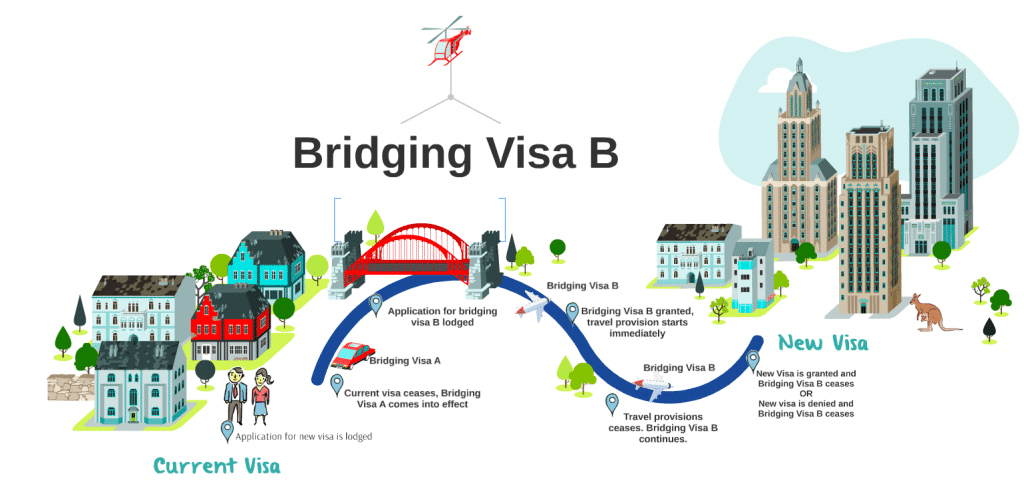
The Bridging Visa B (BVB) is the only bridging visa that allows you to leave and re-enter Australia during a specified travel period. You must hold a BVA or an existing BVB to be eligible to apply.
- Eligibility: You must have a substantial reason for wanting to leave and return to Australia while your substantive visa is being processed.
- Travel Period: The Department will specify a date by which you must return to the country.
Bridging Visa C (Subclass 030)
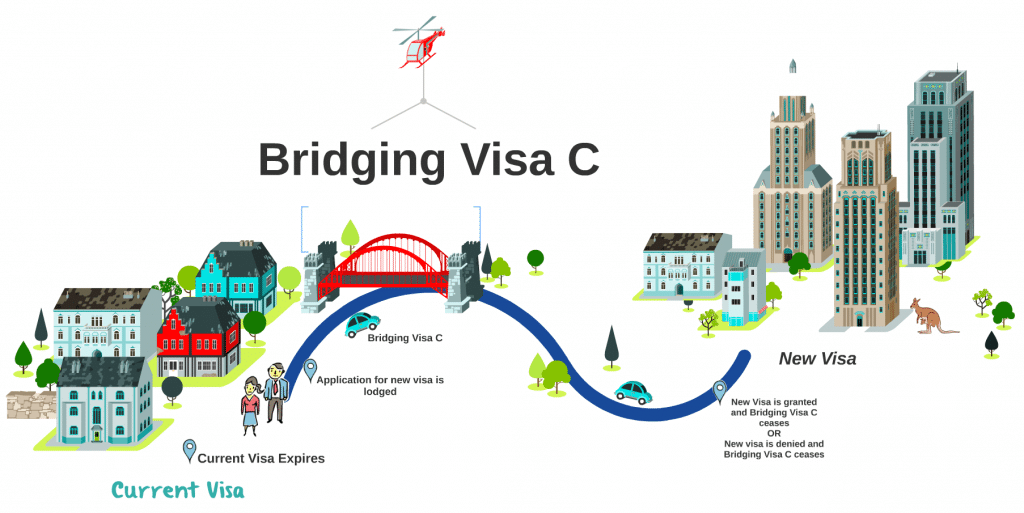
A Bridging Visa C (BVC) is granted if you lodge a valid application for a substantive visa while you do not already hold a substantive visa (i.e., you are already on a bridging visa or are unlawful).
- Travel: No travel rights. If you leave Australia, the BVC ends and you cannot return on it.
- Work Rights: Usually granted with “No Work” conditions unless you can demonstrate financial hardship.
Bridging Visa E (Subclass 050/051)
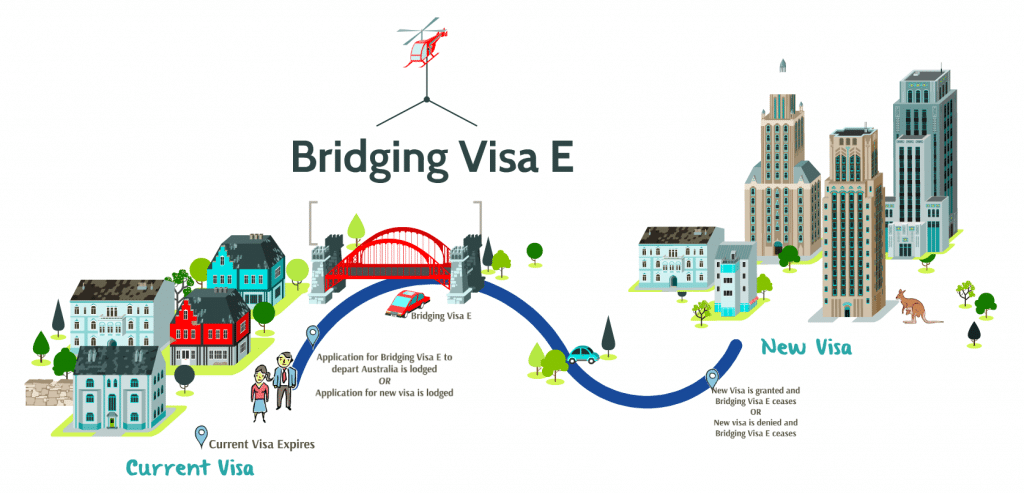
A Bridging Visa E (BVE) is used to make a person’s stay in Australia lawful while they make arrangements to leave, lodge a substantive visa application, or wait for an immigration decision or court appeal.
- Travel: No travel rights. Leaving Australia will cancel the visa.
2026 Fees and Processing Times
The following table outlines the 2026 standard charges and processing benchmarks as set by the Australian Department of Home Affairs.
| Visa Subclass | Base Application Charge (AUD) | 50% of Applications | 90% of Applications |
| Bridging Visa A (010) | Free | Rapid/Automatic | Rapid/Automatic |
| Bridging Visa B (020) | $575 | 5 Days | 15 Days |
| Bridging Visa C (030) | Free | 3 Days | 10 Days |
| Bridging Visa E (050) | Free | 2 Days | 7 Days |
Note: Processing times have been significantly reduced following the March 2026 system overhaul. Applicants are encouraged to ensure all documentation is complete at the time of lodgment to avoid the 48-hour automated refusal protocol for incomplete files.
Frequently Asked Questions
Can I work on a Bridging Visa?
Your work rights depend on the conditions of the substantive visa you held previously and the specific subclass of bridging visa you hold. BVAs usually inherit previous rights, while BVCs and BVEs often require a separate application to prove financial hardship to gain work rights.
What happens if I leave Australia on a Bridging Visa A?
Your BVA will cease the moment you depart Australia. You will not be able to re-enter the country on that visa. If you need to travel, you must apply for and be granted a Bridging Visa B before you depart.
How do I check my visa conditions?
You can check your current visa status, expiry date, and conditions through the Visa Entitlement Verification Online (VEVO) system using your passport or Mobile device.